It Looks Like AI-Generated Music Will Finally Get Tagged
If there’s one thing that most of the music industry agrees on, it’s that songs that are AI-generated should be labeled. The amazing thing is that there’s finally a full industry push to do so. According to the Wall Street Journal, the RIAA and IFPI are leading push to get AI-generated tracks labeled across the world’s streaming services, with Recording Academy, SAG-AFTRA, the Human Artistry Campaign, and the American Association of Independent Music also attached to the plan.
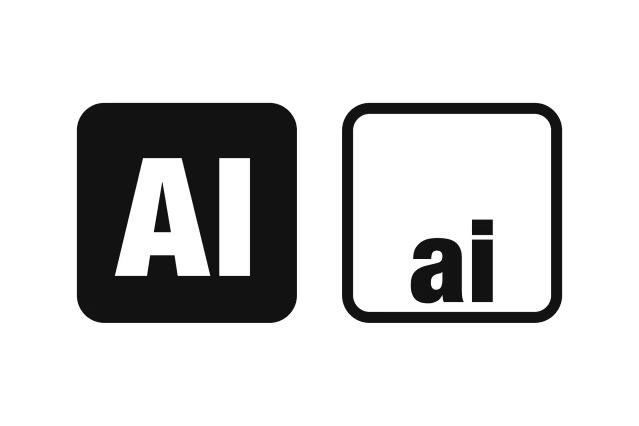
The plan doesn’t stop with 100% AI-generated tracks though, as tracks that used AI to assist in the production would be labeled as well.
According to the article, the labels consist of a black tile displaying “AI” in white capitals for fully AI-generated music, and a white tile showing “ai” in lowercase for AI-assisted tracks (see the graphic above).
It Still Need The Music Distributors
This industry proposal is all well and good, but it obviously won’t work unless it’s adopted by music distributors like Spotify and Apple Music.
There’s a good chance that this might happen since Spotify has reported that it’s deleted over 75 million ‘spammy’ tracks over the last year. Obviously it’s a problem for them in that so many extra tracks cost the company money in storage space and will probably generate little profit for the company.
The interesting thing is that a Deezer/Ipsos study found that 97% of listeners could not tell if a song was AI-generated, yet 80% wanted fully AI tracks clearly labeled.
The AI-Assisted Barrier
While I don’t think that you’ll have many pro musicians haggle with the fully AI-generated label, AI-assisted might become an issue.
It’s not uncommon for songwriters to use AI to help with lyric and song ideas, or to flesh out song demos. Many artists are very happy with the way these demos turn out, and choose to either rerecord the AI song, or add overdubs to it. During mixing, AI is used for a variety of everyday processing, including noise reduction, stem separation, EQ, and compression.
The question then becomes, what should be labeled AI-assisted, and what shouldn’t count?
It’s an important question since there’s a stigma to anything connected to AI in the music world (and increasing in the outside world as well), which may be something that a songwriter, artist, producer, engineer, or label might not want to be associated with.
As with almost everything in life, solving one issue brings on another one, but I think everyone would agree that if these labels take hold, we’re heading in the right direction.